FREIGHTLINER TC181185 Cascadia Temperature Control
fits model: 125. make: Freightliner. year: 2016.
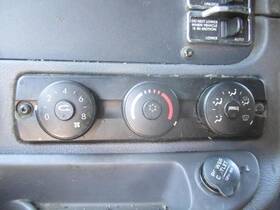
( Manufacturer Part Number: TC181185 ), ( Type: Temperature Control ), ( Cab Or Bunk: Cab ), ( Ac: Yes/no )
Review FREIGHTLINER Cascadia Temperature Control fits 125 2016
Introducing the Freightliner Cascadia 125 Temperature Controlled TC181185, a masterpiece of modern trucking engineering designed to optimize your cargo transportation needs. This tractor unit is part of Freightliner's Cascadia series, renowned for its superior aerodynamics, fuel efficiency, and ease of operation.
The TC181185 model comes equipped with a 125-inch BBC (Bumper to Back of Cab) chassis, offering ample space for a variety of cargo types and trailer sizes. Its advanced temperature control system is a standout feature, ensuring that temperature-sensitive goods remain at their optimal conditions throughout the journey. The system is meticulously engineered with high-quality insulation, advanced climate control technology, and reliable temperature sensors.
Under the hood, the Freightliner Cascadia 125 Temperature Controlled TC181185 houses the powerful and fuel-efficient Detroit DD15 engine. This engine delivers impressive performance, producing 460 horsepower and 1,650 lb-ft of torque. The engine is also mated to a Detroit DT12 Automated Manual Transmission (AMT), which provides smooth, efficient power delivery and exceptional fuel economy.
The Cascadia's cab offers unparalleled driver comfort and convenience. It features a modern, ergonomic design, with ample headroom, legroom, and storage space. The cab is also equipped with advanced technology, such as the Detroit Assurance 5.0 safety system, which includes features like lane departure warning, adaptive cruise control, and collision mitigation.
Other notable features of the Freightliner Cascadia 125 Temperature Controlled TC181185 include its exceptional maneuverability, thanks to its tight turning radius and advanced steering system. It also boasts an impressive payload capacity, making it a versatile choice for a wide range of cargo transportation applications.
The Freightliner Cascadia 125 Temperature Controlled TC181185 is more than just a truck; it's a smart investment in your cargo transportation business. Its advanced temperature control system, powerful engine, and superior fuel efficiency make it an invaluable asset to your fleet. Plus, its modern design and advanced technology make it a pleasure to drive, ensuring that your drivers are comfortable and productive on every journey.
Freightliner's Cascadia 125 temperature-controlled model is a popular choice for businesses that require the transportation of temperature-sensitive goods. Here are some pros and cons that may help you make an informed decision about purchasing this truck:
Pros:1. Advanced Temperature Control System: The Cascadia 125 comes with an advanced temperature control system that maintains the desired temperature within 1 F, ensuring the safety and quality of temperature-sensitive cargo.
2. Fuel Efficiency: This model features aerodynamic design and advanced engine technology, which helps in reducing fuel consumption and lowering operating costs.
3. Comfortable Cab: The cab is spacious and offers excellent comfort features, including a quiet and smooth ride, making it an ideal choice for long-haul drivers.
4. Reliability and Durability: Freightliner trucks are known for their reliability and durability, and the Cascadia 125 is no exception. It is built with high-quality components and is designed to withstand the rigors of commercial trucking.
5. Customizable: The Cascadia 125 offers various customization options, allowing businesses to tailor the truck to their specific requirements.
Cons:1. High Initial Cost: The initial cost of purchasing a new Freightliner Cascadia 125 temperature-controlled truck can be high. However, the long-term benefits, such as fuel efficiency and reliability, can offset the initial investment.
2. Complexity: The advanced temperature control system and other features of the Cascadia 125 may require specialized knowledge and training to operate and maintain effectively.
3. Maintenance Costs: Regular maintenance and repairs can be costly, especially for the advanced temperature control system.
4. Limited Payload Capacity: Compared to other Freightliner models, the Cascadia 125 has a lower payload capacity due to the temperature control system and other features.
Conclusion:The Freightliner Cascadia 125 temperature-controlled model is an excellent choice for businesses that require the transportation of temperature-sensitive goods. Its advanced temperature control system, fuel efficiency, and comfort features make it a popular choice among commercial truck buyers. However, the high initial cost, complexity, maintenance costs, and limited payload capacity are important considerations that businesses should take into account before making a purchase.
Recommendation:If your business requires the transportation of temperature-sensitive goods, the Freightliner Cascadia 125 temperature-controlled model is an excellent investment. However, it is essential to carefully consider the pros and cons before making a purchase and to factor in the long-term benefits, such as fuel efficiency and reliability, to offset the initial investment. Additionally, it may be worth considering used or older models to reduce the initial cost. Ultimately, the decision to purchase a Freightliner Cascadia 125 temperature-controlled truck should be based on your specific business needs and requirements.
Details:
Or improper maintenance Failure is caused by towing a trailer or other vehicle unless your equipped for this purpose as recommended the manufacturer. The part is installed or operated in a vehicle outside of the USA Canada. Bumpers Peel Warranty.
Plastic Aluminum Radiators - Aftermarket. Our climate control line for industrial and heavy duty vehicles includes Radiators, Radiator Cores, Condensers Charge Air Coolers. Refer to the vehicle manufacturers. Owners Manual for correct operation and maintenance schedule. Complete Industrial or HD Radiator.
It is highly recommended to use distilled water and it mandatory for all aluminum cooling components. Bar Plate Charge Air Cooler. The transmission fluid and filter are not replaced at time of installation with OEM recommended. If you are unsure, ask.
Limited 12-Month Warranty. Must be documented. Failure is caused by or related to a collision, fire, theft, vandalism, riot, explosion, lightning, earthquake, windstorm, hail, water, freezing flood. Timing belts, water pump, thermostat, fluids and seals are routine maintenance items should be replaced at the time of installation vehicle manufacturers recommended service intervals.
Electrical, electronic, and/or mechanical devices, such as; thermostat, sensors, gauges, sending units, water pump and devices used to monitor maintain optimal engine temperature, must be verified for proper operation. The installed heat tab is melted or removed. The vehicle is not serviced at proper intervals, or fuel/oil/coolant used in accordance with the manufacturers specifications. All external causes that can lead to electrolysis and/or corrosion must be verified and eliminated.
To validate the above warranty coverage, following measures must be undertaken upon replacement of Complete Radiators, Radiator Cores and/or Charge Air Coolers. Excluding Bar Plate which carry a Limited Lifetime Warranty. Find new, reconditioned, rebuilt, and used semi-truck parts for Class 5 through Class 8. Some states do not allow exclusion or limitation of incidental consequential damages, so the above may apply to you.
Appropriate maintenance receipts required. Proper operation of the cooling and electrical system must be checked during installation products that can affected by those systems. Limited 36-Month Warranty. Limited 24-Month Warranty.
Cooling system must be properly flushed and filled with new coolant mixture. The part fails or becomes defective due to the vehicle being involved in a collision. Using the incorrect types and levels of fluids lubricants as outlined in vehicles Owners Manual. Bolt-On Radiators.
Failure is caused by abuse, misuse, or modifications. Warranty does not include cost associated with part removal, installation, inconvenience or consequential damages.
part #: tc181185 price
- $104.00
specifications dashparinterio:
- for models: 125
- for makes: Freightliner
- for years: 2016
- mpn: Tc181185
- type: Temperature Control
- cab or bunk: Cab
- ac: Yes/no
general dashparinterio:
- Commercial Truck Parts > Interior > Interior Controls
- condition: Used
payments dashparinterio:
- credit card: Diners-club
- other
- wallet: Paypal
offer dashparinterio:
- sold: 0
- options: Ship-to-home
- quantity: 1
- availability: In Stock
- started: August 18, 2025
returns dashparinterio:
- paid by: Seller
- time: 30 Days
- policy: Returns Accepted
seller dashparinterio:
- # reviews: 1757
- rating: 96.2%
- city: Easton, MD
shipping dashparinterio:
- class: Standard, Expedited, One-day
- type: Fixed
- transit: 2-5 Days
- service: UPS Ground, UPS 2nd Day Air, UPS Next Day Air
- carrier: UPS
- cost: $0.00
Freightliner TC181185 Is Similar To:
- 0689334002 Freightliner Cascadia Turn Signal Wiper Combo Switch Self Cancel (45.3% similar) New other see details condition...(December 7th, 2021)
- A0630769012 Fleet Pro Freightliner Columbia Century Cruise Control Switch (45.9% similar) 2001-2011 7 pins cruise control switch the fleet pro A0630769012 is in new condition...(December 15th, 2021)
- A22-73672-000 Freightliner Genuine Temperature Control (58.6% similar) Other oem part numbers that will work: A2273672000...(December 17th, 2021)
- A22-64737-001 Freightliner Cascadia Heater Control 426876508878 (62.4% similar) Changed your mind and don't want the item anymore...(December 17th, 2021)
- Cascadia 125 Oem Aftermarket Freightliner Temperature Control (52% similar) New condition...(February 5th, 2022)
- Cascadia 125 Oem Aftermarket Freightliner Temperature Control (52% similar) New condition...(February 5th, 2022)
- Cascadia 125 Oem Aftermarket Freightliner Temperature Control (52% similar) New condition...(February 24th, 2022)
- Columbia 112 Oem Aftermarket Freightliner Temperature Control (52% similar) New condition...(February 24th, 2022)
- Ac Heater Control Knob Covers Freightliner Cascadia 2008 And Up Plastic Gg 67817 (35.2% similar) Size: 3 knob covers. Mount: push on, fits under knobs and surrounds knob base. New condition...(June 4th, 2022)
- Ac Heater Control Plate Cover For Freightliner Cascadia 2008 And Newer Gg 67818 (35.5% similar) Part style: add-on cover. Quantity for sale: each. Part color: silver. New condition...(June 5th, 2022)
- Chrome Plastic A C Control Knob For Freightliner Coronado 2005-2009 2011-2014 (30.2% similar) Quality injection molded plastic for durability. New condition...(June 5th, 2022)